


Exploring the psychological impact of gambling What you need to know Leave a comment
Exploring the psychological impact of gambling What you need to know
Understanding the Psychology of Gambling
The allure of gambling is deeply rooted in human psychology. It often provides an exciting escape from daily life, igniting feelings of hope and thrill. Players experience a rush of adrenaline as they place their bets, fueled by the anticipation of winning. This emotional rollercoaster can create a powerful connection between the gambler and the game, making it difficult to resist the temptation of playing again, especially when exploring the best online casinos that promise incredible rewards.
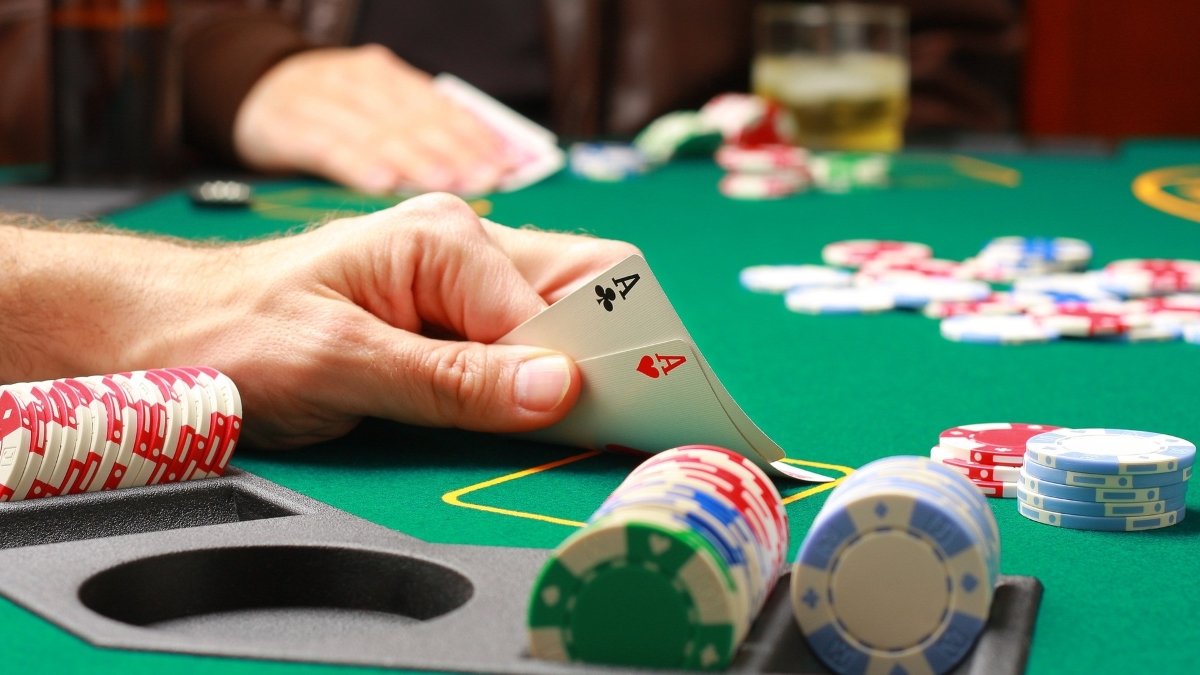
Moreover, the psychology of risk-taking plays a significant role. Many individuals are naturally inclined to seek out risks, and gambling presents a socially acceptable environment to explore this behavior. The potential for significant rewards enhances the appeal, leading to an ongoing cycle where players chase the next big win, often overlooking the risks involved.
The Impact of Cognitive Biases
Cognitive biases significantly influence the way gamblers perceive their chances of winning. One common bias is the illusion of control, where individuals believe they can influence the outcome of games purely based on skill or strategy, despite the inherent randomness in most gambling scenarios. This misconception can lead to repeated gambling, as players feel empowered to beat the odds.
Another prevalent bias is the availability heuristic, which causes players to overestimate their likelihood of winning based on recent wins or vivid success stories. This warped perception fosters an environment where gamblers remain hopeful, perpetuating their engagement with gambling activities and often resulting in more significant financial losses.
The Emotional Consequences of Gambling
The emotional fallout from gambling can be profound, impacting relationships and mental health. Many gamblers experience feelings of anxiety, guilt, and shame, particularly when they face losses or addiction. These emotions can isolate individuals, leading to withdrawal from friends and family, which exacerbates the cycle of despair.
Furthermore, problem gambling can lead to severe stress and depression. The constant worry about financial instability, alongside the stigma of gambling addiction, can create a heavy psychological burden. Understanding these emotional consequences is crucial for individuals seeking help or attempting to support loved ones who may be struggling.
Identifying Signs of Gambling Addiction
Recognizing gambling addiction is vital for early intervention and recovery. Common signs include preoccupation with gambling, increased tolerance, and unsuccessful attempts to cut back. Those affected often find themselves lying about their gambling habits or spending significant amounts of time and money without deriving any enjoyment from the activity.
Another critical sign is the tendency to chase losses, where individuals continue to gamble in the hope of recouping lost money. This behavior can lead to a downward spiral, making it increasingly challenging to break free from the addiction. Awareness of these signs can empower individuals to seek help and support before the situation escalates.

Resources and Support for Gamblers
Our website offers valuable resources for anyone seeking to understand and address gambling-related issues. We prioritize user safety and confidentiality, providing a supportive environment where individuals can find information and assistance. From educational articles to helplines, we aim to empower users with the knowledge they need to make informed decisions about gambling.
Furthermore, we recognize the importance of mental health and offer guidance on accessing professional help. Understanding the psychological impact of gambling is the first step toward recovery, and we are committed to facilitating that journey for our users. Stay informed and take the necessary steps toward a healthier relationship with gambling.









